
Katinka Hoffmann
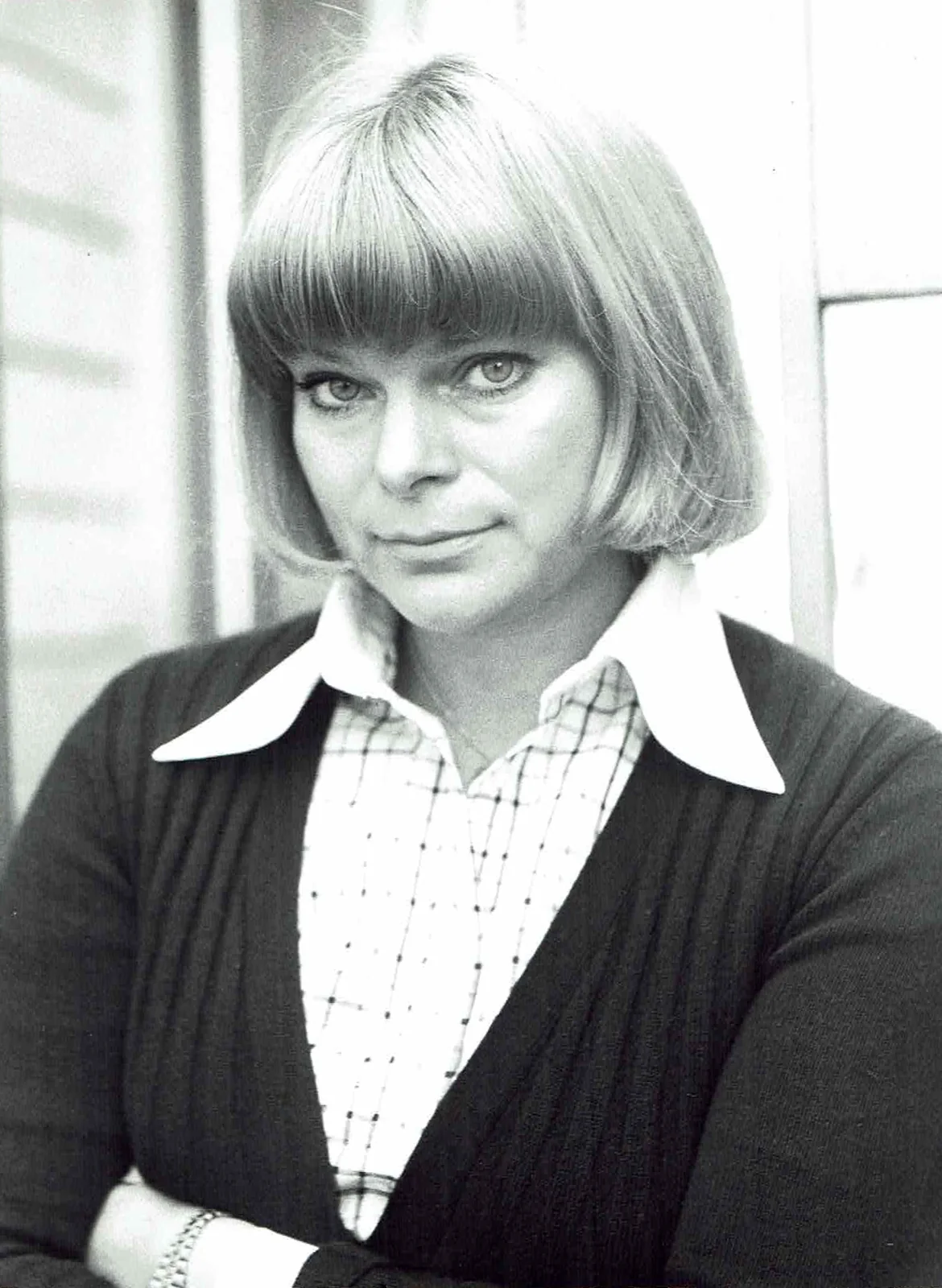
Image from Wikipedia
Image from Wikipedia
Katinka Hoffmann: A Great Bonn Theater Personality between Stage, Television, and Theater Management
An Actress Who Shaped Private Theater
Katinka Hoffmann was not an artist of loud headlines, but a defining stage personality with exceptional endurance, demeanor, and presence. She was born on January 6, 1938, in Breslau and passed away on September 6, 2021, in Bonn. Her life journey connects acting, a television career, and theater management into a biography that reflects the entirety of German post-war theater. (deutsche-biographie.de)
Biography: Early on Stage, Early in Responsibility
Katinka Hoffmann entered the theater world as a teenager and regularly performed on stage as a child and teenager. In the mid-1950s, she was engaged at major theaters in Bonn, Wiesbaden, and Baden-Baden; at 18, she received several permanent engagements. This early professionalization shaped an artist who not only acted but also understood the theater's operations from within. (de.wikipedia.org)
Her close connection to the Bonn Contra-Kreis-Theater, founded by her father Gustav Kurt Hoffmann, proved particularly influential. After his death, she took over the artistic direction and became the youngest theater director in Germany in 1965 and 1966. Thus, the actress also became responsible for the repertoire, ensemble, and audience history of a house that held a unique position in German private theater. (die-deutsche-buehne.de)
Career: Between Boulevard, Ambition, and Television History
At the Contra-Kreis-Theater, Hoffmann performed in over 70 productions, directed herself, and brought prominent actors and directors to her theater. The theater focused not only on boulevard pieces but also on contemporary drama, thus becoming a place where entertainment and artistic ambition merged. Hoffmann embodied a theater practice that understood audience proximity not as a weakness but as a strength. (die-deutsche-buehne.de)
She also became visible on television early on. In 1966, she starred in Francis Durbridge's miniseries "Melissa," and in 1973, she gained attention in "Frühbesprechung" as West Germany's first female television commissioner. This was followed by further television productions such as "Die Flucht," "Tatort," "Fünfte Kolonne," and the WDR series "Anna," where she played a lead role from 1979 to 1981. (die-deutsche-buehne.de)
Theater Work as Artistic Signature
The list of plays at the Contra-Kreis-Theater showcases the range of her work: from comedies and social pieces to classical and modern works. Titles such as "Plaza Suite," "The Broken Jug," "Antigone," "The Misanthrope," or "Biography. A Play" indicate a repertoire that emphasized diversity, stylistic sensibility, and ensemble work. Hoffmann's stage presence was never merely decorative but always part of a precise theatrical economy. (contra-kreis-theater.de)
After 1980, she shared the theater management with Horst Johanning, which ensured the continuity of the house over decades. This combination of management and performance practice made her a rare figure: an actress who not only interpreted roles but also permanently shaped a theater as a cultural space. Her work exemplifies the quiet authority of many female private theater operators in Germany. (die-deutsche-buehne.de)
Discography, Repertoire, and Critical Reception
Katinka Hoffmann does not have a classical music career or discography in the narrower sense; her artistic identity lies in acting and theater management. For the search intention behind "discography," her work can thus be interpreted as a repertoire and filmography biography: a chain of stage roles, television formats, and theater productions. The reception described her as a warm-hearted, open, and lovable artist whose humor, joy of performance, and directness remained unforgettable on and off stage. (die-deutsche-buehne.de)
In obituaries and theater texts, she appears as a figure of emancipation: not in the sense of a manifest gesture, but as a lived artistic biography. Die Deutsche Bühne honored her as a theater artist with every fiber of her being and particularly highlighted her work for private theater, which is often underestimated in the cultural landscape. This classification makes clear why Hoffmann was more than just a well-known performer in German theater history. (die-deutsche-buehne.de)
Cultural Influence: A Woman Who Shaped Bonn Theater Life
Hoffmann's cultural influence extends beyond individual roles. As the youngest theater director in Germany and as the long-time director of the oldest private theater in Bonn, she shaped an environment where theatrical art, public life, and bourgeois theater culture were closely intertwined. Under her leadership, the Contra-Kreis-Theater became a place that mirrored and entertained post-war society. (die-deutsche-buehne.de)
Her work also demonstrates how strongly regional cultural work shapes the larger picture. In Bonn, she was not just an artist but an institution; in television productions, she reached a broad audience at a time when mini-series and series were societal events. It is precisely the combination of local anchoring and media visibility that makes her career so remarkable. (die-deutsche-buehne.de)
Current Projects and Publications
There are no current projects or new publications from Katinka Hoffmann, as she passed away in 2021. The last publicly documented chapter of her work remains her long engagement at the Contra-Kreis-Theater and her echo in Bonn's theater community. Thus, anyone looking at her career does not view a continuing production but rather a completed, and therefore more sustainable, body of work. (die-deutsche-buehne.de)
Conclusion: Why Katinka Hoffmann Remains Fascinating
Katinka Hoffmann is a fascinating theater figure because she united acting, management, and cultural responsibility in a single career. She embodied private theater as a vibrant, professional, and audience-friendly space while demonstrating that artistic authority does not need to be loud to have a lasting impact. Anyone wishing to understand German theater history cannot overlook her. (die-deutsche-buehne.de)
Her work invites us to see theater as a place of encounter anew: a stage for characters, conflicts, and generations. For this reason, it is worthwhile to rediscover her television roles, obituaries, and traces in theater and to think about the history of the Contra-Kreis-Theater in conjunction with this. Katinka Hoffmann remains an invitation to experience the power of live acting directly and immediately. (die-deutsche-buehne.de)
Official Channels of Katinka Hoffmann:
- Instagram: No official profile found
- Facebook: No official profile found
- YouTube: No official profile found
- Spotify: No official profile found
- TikTok: No official profile found