
John Lennon
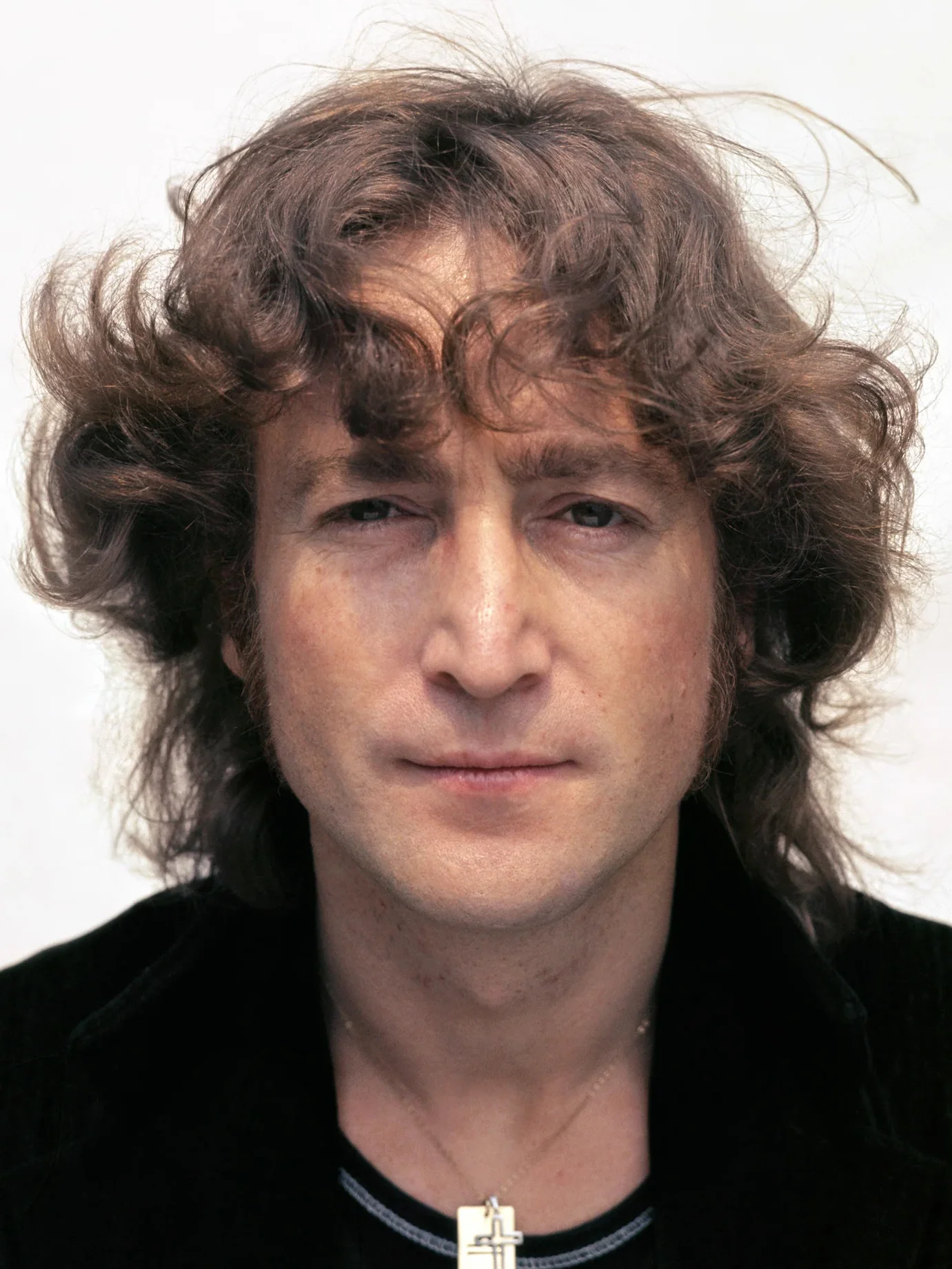
Image from Wikipedia
Image from Wikipedia
John Lennon – Visionary, Songwriter, Voice for Peace: The Big Portrait
From Liverpool Rebel to Pop Culture Icon – Why John Lennon’s Music and Message Sound More Urgent Today Than Ever
John Winston Ono Lennon (October 9, 1940 – December 8, 1980) shaped the music history of the 20th century as a co-founder of the Beatles and as a solo artist. His musical career intertwined powerful compositions, uncompromising lyrics, and an unmistakable stage presence with social commitment to peace and human rights. From early skiffle beginnings, through the artistic symbiosis with Paul McCartney, to radical solo albums like “John Lennon/Plastic Ono Band” and the universal peace song “Imagine”: Lennon’s artistic development showcases a musician who fused pop, rock, and avant-garde into a coherent body of work – influencing generations of music lovers and artists.
Early Years: Liverpool, Loss, and the Hunger for Expression
Growing up in Liverpool, experiences of separation and the early death of his mother shaped Lennon’s worldview – and his drive to express unvarnished truths in songs. As a teenager, he formed a skiffle band, which eventually evolved into the Beatles. This biographical condensation of pain, wit, and defiance gave rise to a voice that melded vulnerability and obstinacy into musical power. The artistic evolution from a student with banjo chords to a rock’n’roll revolutionary prepared the ground for the later radicality of his songwriting: clear, direct, often brutally honest.
Breakthrough with the Beatles: Songwriting Duo, Studio Innovation, Cultural Revolution
With the Beatles, Lennon, alongside Paul McCartney, redefined modern pop songwriting. The Lennon/McCartney partnership represents melodic richness, formal experimentation, and lyrical punchlines, ranging from early Beat hits to psychedelic boundary-pushing. Lennon’s singing – nasal, immediate, with a bluesy attack – lent the songs a distinctive sharpness. As a rhythm guitarist, he set striking accents within the band’s dynamic with nervous accents and precise groove. The Beatles became not only a musical force but also a cultural phenomenon, reflecting the mirror of the 1960s: provocative, reflective, and consistently engaged in dialogue with societal upheavals.
Artistic Emancipation: Plastic Ono Band, “Imagine,” and Political Avant-Garde
After the Beatles’ dissolution, Lennon found new artistic spaces in collaboration with Yoko Ono. The raw, cathartic “John Lennon/Plastic Ono Band” consolidated grief work, self-empowerment, and sonic reduction into a masterpiece of rock introspection. “Imagine” (1971) marked the shift to universal hymns: a composition with a clear structure, floating piano figures, and lyrical utopia that continues to circulate as a moral compass. Actions such as Bed-Ins and multimedia happenings translated his artistic ethos into public peace work – pop as a platform, performance as politics.
Late 1970s to 1980: Withdrawal, Return, and Legacy
After years oscillating between private life and sporadic studio work, Lennon returned to the spotlight in 1980 with “Double Fantasy” – a dialogical production with Yoko Ono that combined intimacy, pop sensitivity, and adult perspectives. The album received the Grammy for “Album of the Year”; it also marks the tragic endpoint of his body of work. The murder on December 8, 1980, may have silenced the artist, but it did not stop the cultural resonance of his music. Posthumously, a vast archive of remixes, anthologies, and newly curated editions emerged, keeping his oeuvre accessible in contemporary sound quality.
Discography Overview: Key Works and Canon
Lennon’s central solo albums include “John Lennon/Plastic Ono Band” (1970), “Imagine” (1971), “Mind Games” (1973), “Walls and Bridges” (1974), “Rock ’n’ Roll” (1975), and “Double Fantasy” (1980). Hit singles like “Imagine,” “Instant Karma! (We All Shine On),” “Jealous Guy,” “Happy Xmas (War Is Over),” “(Just Like) Starting Over,” “Woman,” and “Watching the Wheels” combine melodic economy, clear arrangements, and lyrical density. In reception, “Plastic Ono Band” is seen as a cathartic rebirth of the singer-songwriter in rock, and “Imagine” as a global peace manifesto – works that shape the discography with both aesthetic and societal significance.
Style, Composition, Production: How Lennon’s Music Works
Lennon’s compositional profile thrives on reduction and directness. Harmonically, he often resorts to clear tonic-dominant relationships and modal colors; melodically, he relies on singable lines that generate high recognizability within a short range. As a producer, he favored contrasting textures: naked voice and piano (“Imagine”), angular guitars and dry drums (Plastic Ono Band), later polished pop layers with choral voices (“Woman”). The arrangement follows the statement: The lyrics lead, and the instrumentation serves the impact of the words. The result is a catalog that oscillates between raw confession and universal hymnody.
Cultural Influence: Pop as Ethics, Protest as Poetry
Lennon linked pop music with an ethic of responsibility. His peace actions, his engagement against war and for civil rights, as well as his artistic alliance with Yoko Ono shifted the boundaries of what pop culture can address. The influence spans from singer-songwriter confessionalism to politically charged rock music, to concept and performance art. “Give Peace a Chance” became a choral singularity of social movements, “Imagine” a secular prayer – songs that form the soundtrack of a global civil society.
Awards, Canonization, and Late Relevance
During his lifetime and posthumously, Lennon received the highest accolades: induction into the Rock and Roll Hall of Fame and Songwriters Hall of Fame, Grammys – including the Grammy for “Double Fantasy” as Album of the Year – as well as participation in the Oscar-winning Beatles work (“Let It Be” Song Score). The reevaluation of his work continues: Remixed and ultimate editions illuminate the production depth, providing outtakes, demos, and alternative mix aesthetics, sharpening the historical understanding between the Beat era, psychedelia, and solo avant-garde.
Current Projects and Rediscoveries: From “Now and Then” to “Mind Games – The Ultimate Collection”
With “Now and Then” (2023), a Lennon composition found its way into the present as the last Beatles single – made possible by advanced audio restoration techniques that isolate his voice from the demo material and render it audible in the original sense. In 2025, the song won a Grammy for “Best Rock Performance” – a cultural-historical convergence of archive, technology, and band history. Concurrently, “Mind Games – The Ultimate Collection” (2024) shed new light on Lennon’s 1973 album: Multiple format editions, alternative mix series, and studio documents made the production transparent; the Super Deluxe box won the Grammy for “Best Boxed or Special Limited Edition Package” in 2025 (award given to the art directors). Cinematically, the legacy remained present: the IMAX/cinema documentary “One to One: John & Yoko” (2025) and the YouTube premiere of the Oscar-winning short film “War Is Over! Inspired by the Music of John & Yoko” (December 2025) brought the peace message into the digital age.
Reception and Charts: Classic Status with Streaming Presence
“Imagine” and “Happy Xmas (War Is Over)” are among the most streamed Lennon titles; the catalog experiences seasonal and curated new peaks that attest to his lasting popularity. Reviews have highlighted the uncompromising directness of his songwriting and the courage to bare oneself – from the radical intimacy of “Plastic Ono Band” to the clear, humanistic address of “Imagine” and the pop poetic self-portraits of “Double Fantasy.” In rankings, canon lists, and awards, Lennon remains a touchstone of cultural memory.
Voices of Fans
The reactions from fans clearly show: John Lennon captivates people worldwide. On Instagram, a listener writes: “Imagine plays every Christmas Eve – it gives me hope.” On YouTube, a fan comments after the “War Is Over!” premiere: “So moving to see how John & Yoko’s message reaches new generations.” On Facebook, a comment on an archive clip reads: “His voice still feels timeless – as if it speaks directly to us today.”
Conclusion: Why John Lennon Endures
John Lennon unites artistic radicalism with melodic accessibility. His discography stands for bold composition, clear production, and an ethic that takes pop seriously as a societal language. In times of global tensions, his music serves as a resonance space for empathy and dissent. Those who listen to Lennon’s work hear more than songs: they hear the possibility of a better world. Highly recommended: explore the newly curated “Ultimate” editions and current film projects – and experience the energy of this oeuvre live in contemporary tribute and orchestral formats.
Official Channels of John Lennon:
- Instagram: https://www.instagram.com/johnlennon
- Facebook: https://www.facebook.com/johnlennon
- YouTube: https://www.youtube.com/@johnlennon
- Spotify: https://open.spotify.com/artist/4x1nvY2FN8jxqAFA0DA02H
- TikTok: https://www.tiktok.com/@johnlennon
Sources:
- JohnLennon.com – Official Website
- Encyclopaedia Britannica – John Lennon
- Associated Press – Beatles Release “Now and Then”
- Wired – “Now and Then”, Technology and Restoration
- TheBeatles.com – “War Is Over!” Premiere on YouTube
- YouTube Blog – “War Is Over!” Available on YouTube
- Decider – One to One: John & Yoko (IMAX Film Release, 2025)
- American Songwriter – Restored One-to-One Live Video
- Wikipedia – “Now and Then” (Beatles Song)
- Wikipedia – Double Fantasy (Album, Grammy)
- Wikipedia – Let It Be (Oscar for Song Score)
- TikTok Newsroom – Official Launch of the John Lennon Account
- JohnLennon.com – Mind Games Super Deluxe Box (Grammy 2025)
- Wikipedia: Image and text source
Upcoming Events
IMAGINE. John Lennon – a tribute
An evening for heart and mind at Akademietheater Regensburg: Imagine – the John Lennon tribute with band, strong voices, and a lot of feeling. 08.01.2026, 7:00 PM, from 35 €. Experience and share. #ImagineLive
IMAGINE. John Lennon – eine Hommage in Regensburg
Ein intensiver Tribute-Abend im Akademietheater Regensburg: John Lennons Songs, starke Arrangements, große Emotionen. 09.01.2026, 19:00 Uhr, ab 29 €. Nähe spüren, live erleben – jetzt Tickets sichern! #ImagineLive