
Dieter Vaupel
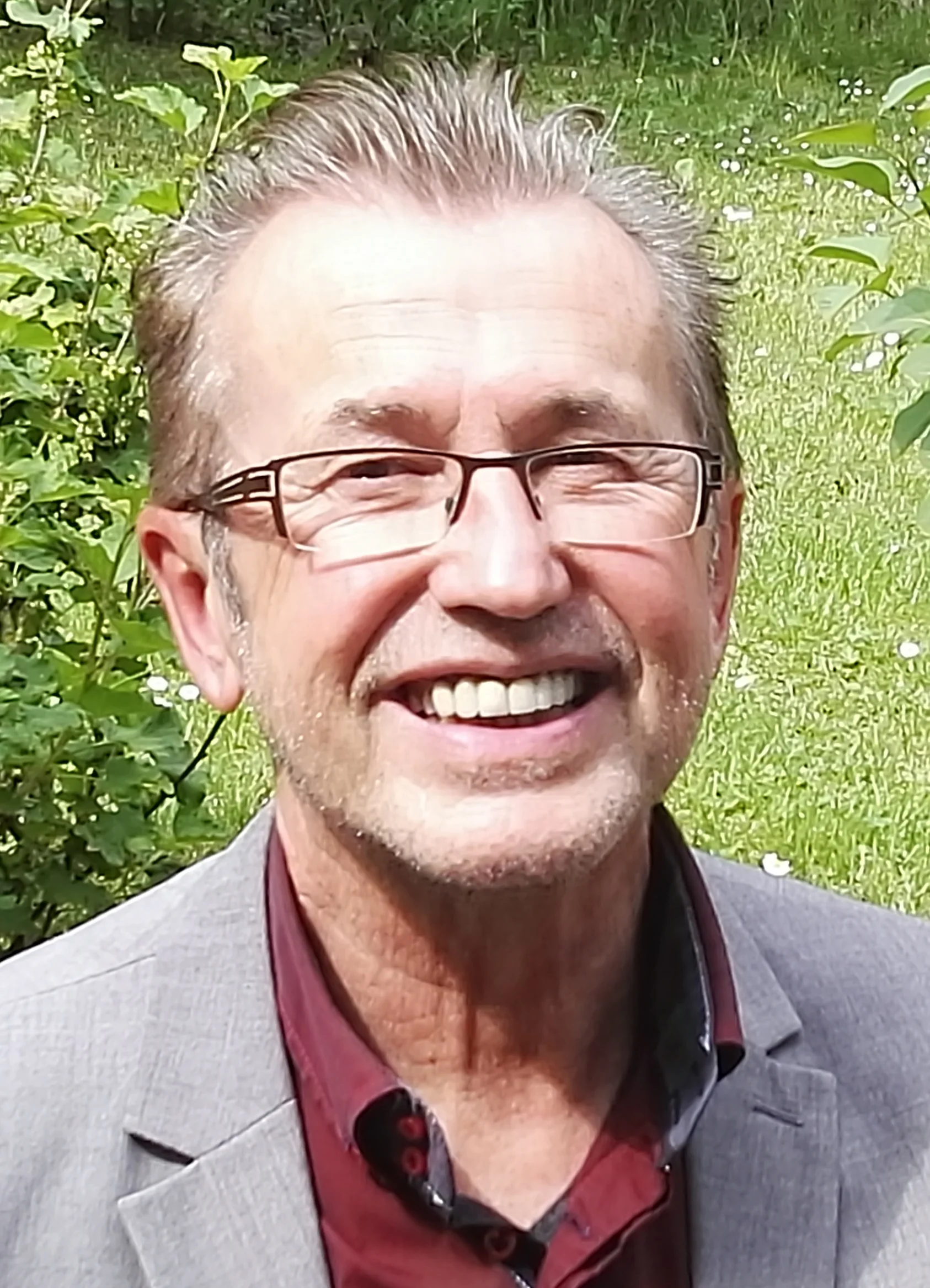
Image from Wikipedia
Image from Wikipedia
Dieter Vaupel – Educator, Political Scientist, and Shaping Mind of Regional Memory Culture
A Life Between School, Contemporary History, and Social Responsibility
Dieter Vaupel, born on April 2, 1950, in Spangenberg, represents a biography that consistently orients itself around education, historical research, and public responsibility. The German educator and political scientist is best known for his work on regional Nazi history as a teacher, school principal, lecturer, and author. His professional path combines practical school experience with scientific precision and a clear social mission. ([de.wikipedia.org](https://de.wikipedia.org/wiki/Dieter_Vaupel?utm_source=openai))
Biographical Roots and Professional Influence
Vaupel initially worked as a teacher at various schools in northern Hesse and later served as a research associate at the Gesamthochschule Kassel and the Hessian Institute for Educational Planning and School Development. According to J.H.W. Dietz Publishing, he holds a Dr. rer. pol. degree, and is a teacher and political scientist as well as a lecturer at the University of Kassel. Until his retirement in 2017, he led a comprehensive school in Hesse, bringing long-term experience from everyday school life, teacher training, and school development into his work. ([dietz-verlag.de](https://dietz-verlag.de/autor/2234/dieter-vaupel))
This connection between practice and analysis also shapes his publications. Vaupel does not write abstractly about education and history but from the perspective of a man who understands school as a social space and historical responsibility as an educational task. This is where his profile derives its special credibility. ([dietz-verlag.de](https://dietz-verlag.de/autor/2234/dieter-vaupel))
A Life's Project: Memory Culture
Vaupel became particularly visible through his research on Nazi history in northern Hesse and forced labor. The Wikipedia biography mentions his works on the external command of Hessisch Lichtenau of the Buchenwald concentration camp, on compensation for forced labor, and on Jewish life in rural communities of northern Hesse. In doing so, he not only documented regional history but also brought suppressed biographies and local stories of violence back into public consciousness. ([de.wikipedia.org](https://de.wikipedia.org/wiki/Dieter_Vaupel))
His work extends beyond archival research. Vaupel developed exhibitions, initiated memory projects, and published the biography “On a Foreign, Uninhabitable Planet” as teaching material in collaboration with Blanka Pudler in 2018; a film was also created as part of this work. In staged readings, he presented the fate of Blanka Pudler together with Alida Scheibli, thus combining historical mediation with vibrant cultural practice. ([de.wikipedia.org](https://de.wikipedia.org/wiki/Dieter_Vaupel))
Important Publications and Research Focus
Among the writings listed on Wikipedia are “The External Command Hessisch Lichtenau of the Buchenwald Concentration Camp 1944/45” from 1984, “Tracks That Do Not Fade: A Study on Forced Labor and Compensation” from 1990, and “The Weekly Plan Book for Secondary Schools: Steps Toward Independent Learning.” The book “Personalized Learning in Secondary Education: Teaching Competency-Oriented with Weekly Plans” also highlights his proximity to school development and didactic reform issues. ([de.wikipedia.org](https://de.wikipedia.org/wiki/Dieter_Vaupel))
J.H.W. Dietz Publishing summarizes his profile as an author of books and articles on contemporary history and pedagogical-didactic topics. Google Books also describes him as an experienced school principal, teacher trainer, and author focused on self-directed learning processes and differentiation in teaching through weekly plans. This breadth makes Vaupel an expert in historical education and in viewing school as a site for active skills development. ([dietz-verlag.de](https://dietz-verlag.de/autor/2234/dieter-vaupel))
Current Projects and Public Presence
Between 2023 and 2025, Vaupel worked on a study of the Nazi history of the Sparkasse under commission from the Sparkasse Werra-Meißner, which he concluded with a book and an exhibition. Concurrently, he researched the history of cycling under National Socialism and the history of the Deutschland Tour. His own experience as an active cyclist and his volunteer work in cycling, such as serving as the sporting director of the MT Melsungen licensed rider team, adds another unexpected dimension to his profile. ([de.wikipedia.org](https://de.wikipedia.org/wiki/Dieter_Vaupel))
These current projects reveal an author who does not rest on past achievements. Vaupel keeps his topics open, connects local historical research with contemporary questions, and combines documentation with public communication. This is precisely where the strength of his work lies: He not only writes about memory culture; he practices it. ([de.wikipedia.org](https://de.wikipedia.org/wiki/Dieter_Vaupel))
Awards and Recognition
The public recognition for his work is evident. In 1985, Dieter Vaupel received the Paul-Dierichs Prize for his memorial work and the uncovering of the history of the concentration camp’s external command at Hessisch Lichtenau. On March 24, 2022, he was selected by the Freiherr-vom-Stein-Schule Hessisch Lichtenau as a patron for the project “School Without Racism – School with Courage.” In 2024, he was awarded the Federal Cross of Merit on the ribbon. ([de.wikipedia.org](https://de.wikipedia.org/wiki/Dieter_Vaupel))
The rationale for the award refers to his long-standing work against forgetting, against hate and intolerance, and to his contributions to the historical research of regional Nazi history. Exactly therein lies Vaupel's authority: He is not only a researcher but also a mediator, a warning voice, and a practical actor in a lived memory culture. ([de.wikipedia.org](https://de.wikipedia.org/wiki/Dieter_Vaupel))
Style, Method, and Cultural Influence
Vaupel’s working method is characterized by precise source work, pedagogical clarity, and local anchoring. His texts and projects combine scientific accuracy with the aim of making complex history understandable for schools, exhibitions, and the general public. This makes him an important voice in the regional historical culture of northern Hesse. ([de.wikipedia.org](https://de.wikipedia.org/wiki/Dieter_Vaupel))
His approach is particularly strong where research transitions into mediation. Whether as an author of teaching materials, as an initiator of exhibitions, or as a co-designer of staged readings: Vaupel does not think of history as a completed canon but as a social task. His work shows how memory transforms education and education deepens memory. ([de.wikipedia.org](https://de.wikipedia.org/wiki/Dieter_Vaupel))
A Profile with Social Relevance
Dieter Vaupel remains compelling because his career embodies a rare interplay of school, science, journalism, and civil courage. He has not only researched local Nazi history but has also restored its faces, places, and contexts. Those interested in memory culture, political education, and the history of northern Hesse will encounter a personality of lasting relevance here. ([de.wikipedia.org](https://de.wikipedia.org/wiki/Dieter_Vaupel))
Especially at a time when historical enlightenment and democratic education are once again vying for attention, Vaupel’s work against forgetting becomes all the more important. His path illustrates how cultural responsibility arises from pedagogical experience. Anyone who experiences his exhibitions, books, and lectures quickly realizes: Here works a man who does not archive history but brings it to life. ([de.wikipedia.org](https://de.wikipedia.org/wiki/Dieter_Vaupel))
Conclusion: Dieter Vaupel stands for well-founded historical research, committed educational work, and consistent memory culture. His biography combines pedagogical expertise, scientific authority, and publicly effective civil courage. Those who experience his work live or in his publications encounter a personality that not only explains history but also derives responsibility from it. ([de.wikipedia.org](https://de.wikipedia.org/wiki/Dieter_Vaupel))
Official Channels of Dieter Vaupel:
- Instagram: No official profile found
- Facebook: No official profile found
- YouTube: No official profile found
- Spotify: No official profile found
- TikTok: No official profile found