
Uli Boettcher
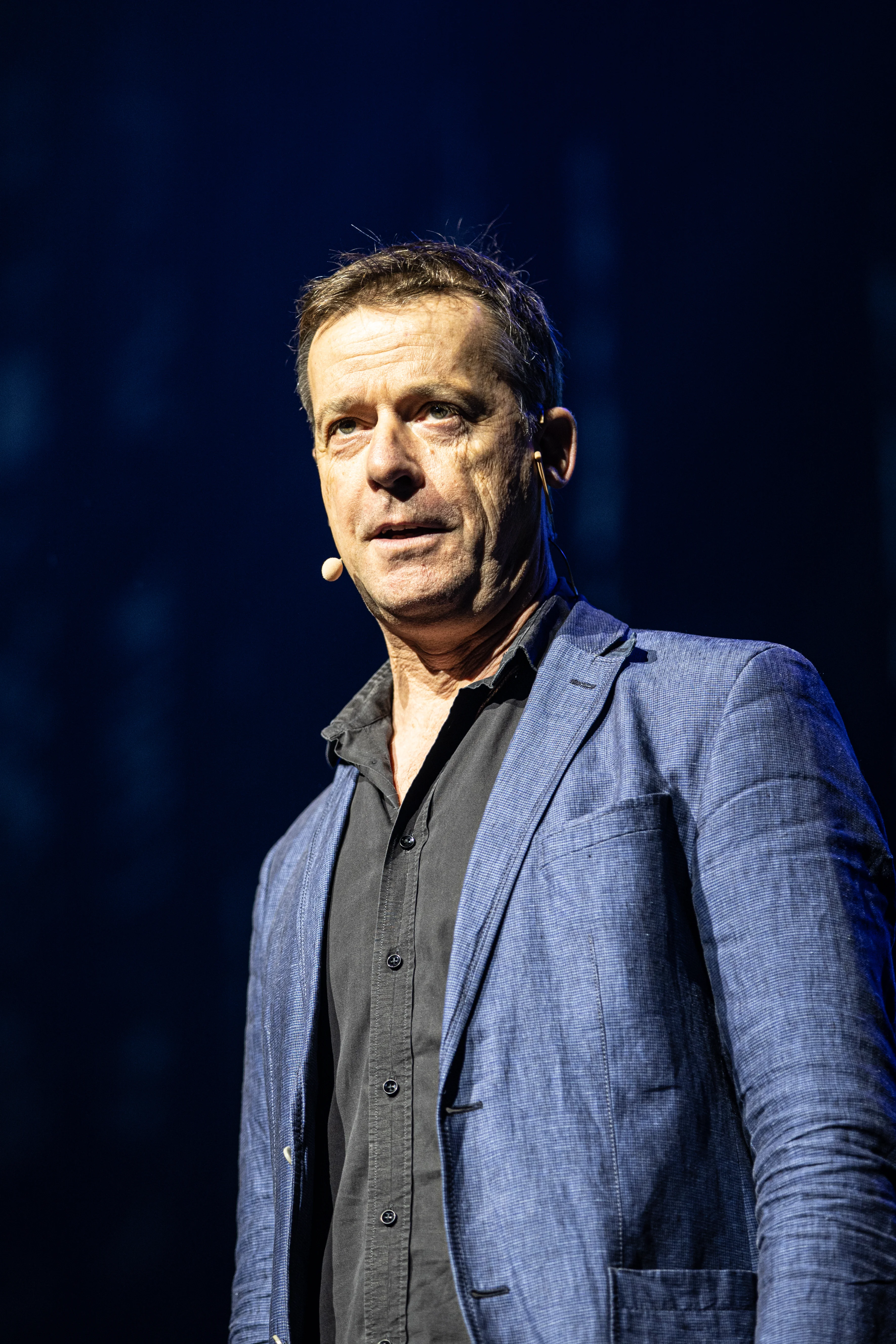
Image from Wikipedia
Image from Wikipedia
Uli Boettcher: The Likeable Cabaret Artist with an Actor's Heart and a Keen Eye for Stage Observation
An Artist Between Acting, Cabaret, and Lively Stage Presence
Uli Boettcher, born on October 16, 1966, in Weingarten in Württemberg, is one of those German stage artists who win their audience not through loud poses, but through precise observation and astonishing versatility. As an actor and cabaret artist, he has carved out a unique place for himself in the cultural landscape of Southern Germany over the years. His career combines theater work, solo performances, and a distinct style in humorous storytelling.
What particularly sets Boettcher apart is the combination of theatrical precision and cabaret sharpness. He does not come across merely as a punchline delivery man, but as a storyteller with impeccable timing, a sense of character, and a keen eye for the small absurdities of everyday life. This very blend has made his stage work sustainable for decades.
Early Years and Artistic Influence
The beginnings of his biography show an unusually down-to-earth path into art. Uli Boettcher attended Spohn-Gymnasium Ravensburg until his intermediate school diploma and then completed an apprenticeship as a painter from 1983 to 1986. He later worked as a comic artist, in street theater, and with independent theater groups—experiences that significantly shaped his later style.
This path explains much of his stage aesthetics: Boettcher clearly visualizes images, character changes, and scenic miniatures. Anyone who comes from street theater knows how to capture attention; anyone who has learned comic drawing develops a sense for compression, typification, and visual comedy. These very skills carry through to his later solo programs.
The Breakthrough in Theater and His Work at the Theater Ravensburg
In 1991, Boettcher performed in Ingrid Lausund's first play Krähenoper at the Ulm cultural center Roxy, followed by the absurd play Two People at the Theater Ravensburg. From 1992, he was a permanent member of the Theater Ravensburg ensemble, which had been functioning as a free theater group since 1987. He remained there as a shaping force until 2009.
At the Theater Ravensburg, he was not only present as a performer but also directed multiple productions and frequently staged his solo programs. This long ensemble phase shows that Boettcher did not rely on quick effects for his artistic development but rather on craftsmanship and maturity. His career grew from repertoire, repeated stage experience, and meticulous work on characters and situations.
“Romeo and Julia” and the Art of the Solo Program
A central milestone in his career was the premiere of his first solo program Romeo and Julia in 1991. According to a festival profile, he celebrated the premiere at the age of 25; the piece delighted both classical newcomers and lovers of comedy alike for over two decades. The production showcases Boettcher's strength as a solo artist: he reinterprets a well-known story without losing its emotional and comedic energy.
The character design in this piece is considered typical of his stage work: lisping Julia, acne-stricken Romeo, eccentric side characters, quick transitions, and precise comedy. The fact that the program ended later in 2011 marks not a loss, but the consistent care of a classic that had grown over the years. Boettcher works here as an actor who develops maximum presence from minimal means.
Courtyard Theater, Local Roots, and Artistic Continuity
With the year 2011, Boettcher's career took on a new, very personal dimension: Together with his family, he realized his dream with the Hoftheater. The magazine of his cultural environment describes him as someone who has found a solid artistic home here. This rootedness exemplifies his career, which relies on sustainability rather than fleeting trends.
In particular, this is notable in the regional cultural scene. Boettcher is not only a guest on various stages but part of a growing theater cosmos. The combination of his own venue, touring in Germany, Austria, and Switzerland, and continuous ensemble experience makes him an artist of substance and recognizability.
Current Programs and Artistic Presence
Even in recent years, Boettcher remains present. For 2024 and 2025, he is announced with the program Herr der Zwinge, in which he shares insights from his toolbox and portrays the hobbyist as a passionate, sometimes chaotic optimist. The announcements surrounding the piece emphasize his mix of humor, everyday sense, and the joy of precisely narrating small failures and grand plans.
The theme of DIY fits perfectly with his art. Boettcher observes realities in which ambition, failure, and improvisation constantly intersect. He does not turn these situations into mere stand-up skits, but into cabaret with character depiction, rhythm, and a discernible eye for social types.
Style, Language, and Stage Impact
Boettcher's style thrives on transformation, pace, and a very clear sense of impact. He jumps between roles, moods, and perspectives without losing the internal logic of the scene. Particularly in solo formats, this ability is crucial, as the audience follows not only one story but an entire ensemble carried by a single performer.
His stage presence never appears overloaded. Instead of relying on loud exaggeration, he focuses on nuances, timing, and a clear scenic structure. This accessibility for a broad audience does not mean simplifying his work. Boettcher melds cabaret with theatrical artistry, creating a form that takes entertainment and observation equally seriously.
Film, Television, and Additional Visibility
In addition to the stage, Boettcher is also recognized as an actor in film and television contexts. His filmography includes titles such as Tatort, Duell zu dritt, and Hämmerle und Leibssle trainieren für Olympia. These appearances broaden his profile beyond cabaret and demonstrate that his expressive power works in other media forms as well.
The German Digital Library lists him as a cabaret artist and actor, also referencing a work titled Palastgeschichten aus dem Reiche Himmelblau. Such entries underline that Boettcher is not only present on stage but also leaves his mark in cultural-historical and documentary contexts. His artistic identity draws from multiple disciplines, not from a single box.
Cultural Influence and Audience-Appropriate Authority
Boettcher's significance lies primarily in his consistency. He belongs to that generation of cabaret artists who merge theater, solo artistry, and regional cultural work. His influence is manifested less in grand media noise than in the reliability of a repertoire that reaches people over the years and remains recognizable.
His impact is particularly strong where humor and everyday observation intersect. Whether in Romeo und Julia or Herr der Zwinge—Boettcher finds comedy in failure, charm in improvisation, and human truth in small formats. It is precisely in this that his authority as a stage artist lies: he understands the mechanics of performance and the psychology of the audience.
Conclusion: Why Uli Boettcher Remains Compelling
Uli Boettcher is captivating because he merges cabaret with genuine acting craftsmanship to form a distinctive stage personality. His career showcases a rare blend of down-to-earth quality, artistic consistency, and humorous precision. Those who experience him see not an interchangeable comedian, but a storyteller with a keen sense for characters, rhythm, and impact.
Especially live, this work unfolds its full strength. Boettcher is an artist for people who want to experience not just consume stage art, in all its precision and wit. Anyone who appreciates cabaret intelligence, charismatic presence, and affectionate observation should definitely see him on stage.
Official Channels of Uli Boettcher:
- Instagram: No official profile found
- Facebook: No official profile found
- YouTube: No official profile found
- Spotify: No official profile found
- TikTok: No official profile found
Sources:
- Wikipedia – Uli Boettcher
- German Digital Library – Uli Boettcher
- Waldstock Festival – Uli Boettcher
- Waldviertler Hoftheater – Romeo & Julia by and with Uli Boettcher
- MySwitzerland – Uli Boettcher
- MORITZ City Magazine – Uli Boettcher: Herr der Zwinge
- fernsehserien.de – Filmography Uli Boettcher
- Waldviertler Hoftheater – Program Book 2025