
Maria Imma Mack
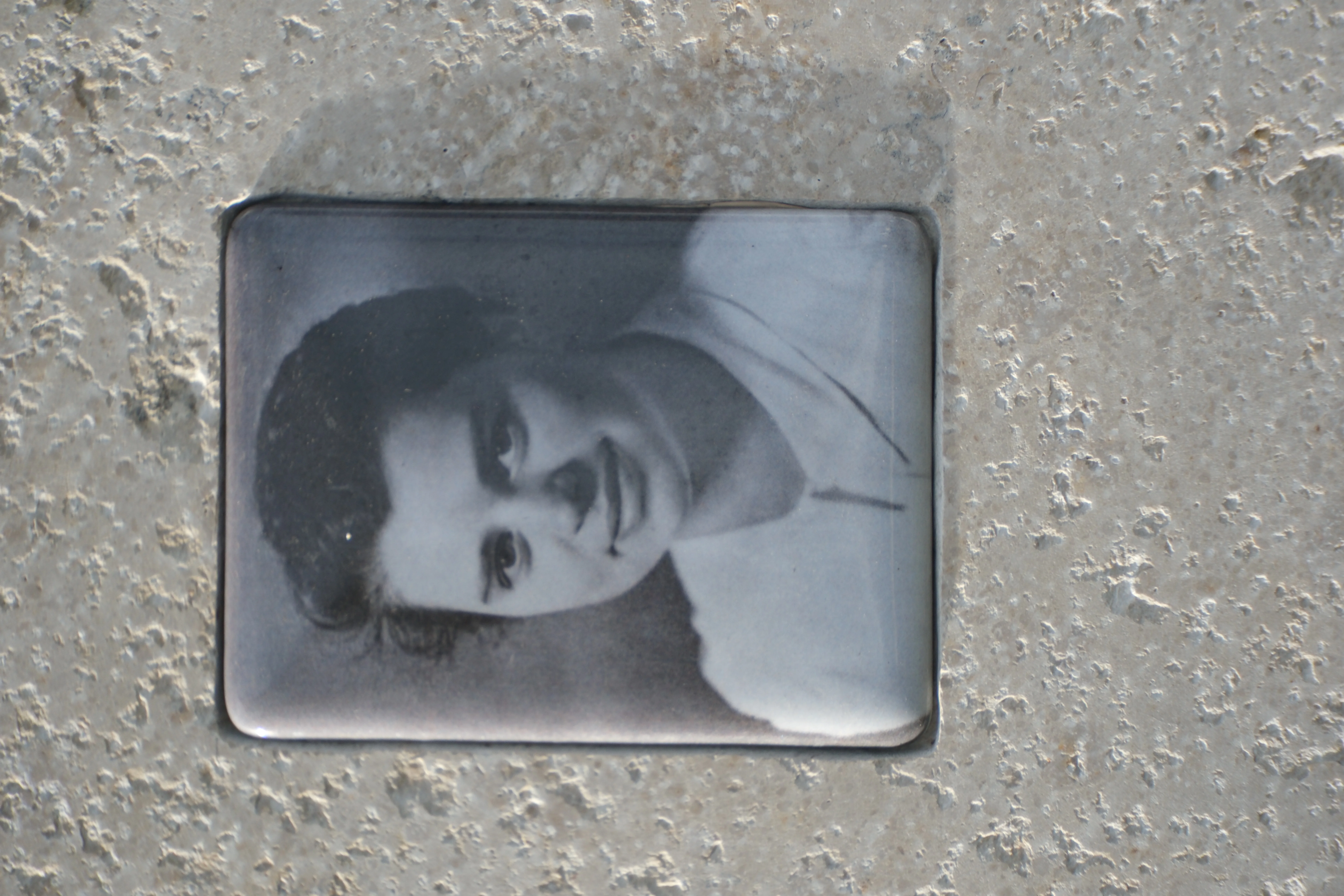
Image from Wikipedia
Image from Wikipedia
Maria Imma Mack: The Quiet Heroine of Dachau
A Sister Who Lived Courage, Compassion, and Civil Courage in the Shadow of the Concentration Camp
Maria Imma Mack, born on February 10, 1924, as Josefa Mack in Möckenlohe near Eichstätt and died on June 21, 2006, in Munich, is one of the quiet yet most impressive figures in German contemporary history. As a nun of the Congregation of the Poor School Sisters of Our Lady in Munich, she secretly supported prisoners of the Dachau concentration camp during World War II. Under the alias "Mädi," she provided prisoners with food, letters, and liturgical items, acting in a situation where even small gestures of humanity were life-threatening.
Her story represents a form of resistance that does not manifest through grand speeches, but rather through consistency, dignity, and practical help. In retrospect, it becomes clear how much her actions alleviated the daily lives of the prisoners and gave them hope. Maria Imma Mack embodies that rare combination of faith, courage, and proactivity that makes historical memory tangible.
Childhood in Möckenlohe and Early Influences
Josefa Mack grew up in Möckenlohe near Eichstätt, in a family of craftsmen and with two siblings. Her background in a Catholic rural environment formed the social and spiritual framework for her later life path. From an early age, she was confronted with the political tensions of her time, which becomes evident in later accounts of her biography as an important experience.
The decision for religious life led her to the Poor School Sisters of Our Lady in Munich. The young woman became Sister Maria Imma Mack, a nun whose work did not take place in public offices or centers of political power, but in the quiet realm of religious duty and personal responsibility. It was precisely there that her extraordinary profile developed.
The Path to Dachau: Courage at the Risk of Life
In May 1944, Josefa Mack first entered the Dachau concentration camp at just 20 years old. The occasion was initially unremarkable: She visited the camp's garden to buy flowers for her convent. From this encounter with the reality of camp life arose a task that she continued for months and that shaped her life.
From May 1944 to April 1945, she regularly provided inmates of Dachau with food and transported letters back and forth between prisoners and their relatives. This aid was undertaken at great risk, as she knew that such actions were punishable by death. The repetition of these trips not only demonstrates spontaneous willingness to help but also a conscious, steadfast decision for humanity.
"Mädi" as Alias and the Practice of Secret Aid
Under the alias "Mädi," Sister Maria Imma Mack operated in an environment marked by control, distrust, and violence. The alias was part of a survival strategy, but also an expression of a silent network of assistance. She brought not only food but also liturgical items to the camp, things that were particularly important for the spiritual life of the prisoners.
Notably, her journeys were neither convenient nor safe. Reports of her aid trips mention that she rode her bicycle in winter and even used a sled at times during heavy snow to reach the camp. These details make her story physically tangible: it involved effort, endurance, and a firm will not to look away.
The Historical Significance of Her Actions
Maria Imma Mack became an important witness to the fact that individual humanity could still be effective even at the center of a terror regime. Her help did not change the system of the concentration camp, but it alleviated suffering, created connections, and preserved dignity. In the culture of remembrance, she thus represents a form of quiet resistance that is often less visible than political symbols but no less significant.
The post-war reception of her person emphasizes exactly this aspect. Her life story connects religious vocation with concrete solidarity, and her biography points to the responsibility of individuals in extreme situations. Anyone studying the history of the Dachau concentration camp encounters in Maria Imma Mack a woman who acted for reasons of conscience and did not stage her help as a heroic act.
Remembrance, Honors, and Public Recognition
Even decades after the war, her actions remained present. In Munich, a street was named after her, the Imma-Mack-Weg, and in 2024 a memorial plaque will be installed in her birthplace Möckenlohe on the occasion of her 100th birthday. Such forms of remembrance show that her story continues to live not only in church or local archives but also remains visible in the public space.
The honors underline her place in regional and national memory culture. Maria Imma Mack thus stands not only for personal bravery but also for the task of permanently making historical civil courage visible. Because her story emerged from a concrete local situation, it possesses universal moral power.
Written Testimony and Documented Experience
Her legacy also includes the book "Why I Love Azaleas: Memories of My Trips to the Plantations of Dachau from May 1944 to April 1945," which documents her experiences during this dark time. The title already reflects the contrast between seemingly everyday observations and extreme historical violence. Such memories are valuable sources because they combine personal perspective with historical reality.
Through this written legacy, Maria Imma Mack emerges not only as a historical figure but also as the storyteller of her own experience. Her account complements the official documents with the insider view of a woman who perceived the camp not as an abstract system but as a place of real human suffering. This is where the special value of her remembrance lies.
Christian Faith, Conscience, and Practical Charity
Her actions are hardly understandable without the religious background. As a nun, she lived within a spiritual framework where charity was seen not as an abstract concept but as a daily obligation. For Maria Imma Mack, this faith translated into concrete, risky help for people who were deprived of rights and threatened.
This connection between spirituality and action makes her biography so impressive. She was not a figure of the grand stage but a woman of decisive action. For this reason, her life journey remains credible and inspiring today, showing how ethical stance takes shape in an inhumane environment.
Cultural Influence and Lasting Relevance
Maria Imma Mack is among those historical figures whose significance deepens rather than diminishes over time. Her story is carried forward in local memorial forms, church publications, and biographical portrayals. Thus, she remains part of a collective memory that reminds us of resistance, compassion, and responsibility.
Her life image is particularly important today because it demonstrates that help is still possible even when circumstances seem to contradict it entirely. Maria Imma Mack stands for the courage not to forget people in need. Her biography calls for civil courage to be understood not as an exception but as a moral obligation.
Conclusion: Why Maria Imma Mack Still Moves Us Today
Maria Imma Mack fascinates because her story does not seek anything spectacular yet is of extraordinary magnitude. She acted in secrecy, remained steadfast, and dedicated her life to others. Anyone who engages with her meets a woman whose courage reveals a special strength precisely in its quietness.
Her biography is an impressive example of how conscience, faith, and determination can come together in the hardest of times. Maria Imma Mack deserves to be remembered—as a woman of courage, humanity, and hope. Those looking for historical role models of civil courage find in her a personality that still touches and challenges us today.
Official Channels of Maria Imma Mack:
- Instagram: no official profile found
- Facebook: no official profile found
- YouTube: no official profile found
- Spotify: no official profile found
- TikTok: no official profile found
Sources:
- Wikipedia – Maria Imma Mack
- katholisch.de – With bike and sledge: how a nun helped concentration camp prisoners
- City of Munich – Imma-Mack-Weg
- SSND Congregational Website – Sister M. Imma Mack
- SSND Congregational Website – Sister M. Imma Mack
- Donaukurier – Adelschlag Commemorates Its Great Daughter Sister Imma Mack
- German Digital Library – Josefa Maria Imma Mack
- Karl-Leisner.de – Gesamt 37
- Blessed KZ Dachau – Josefa Mack