
Konstantin Wecker
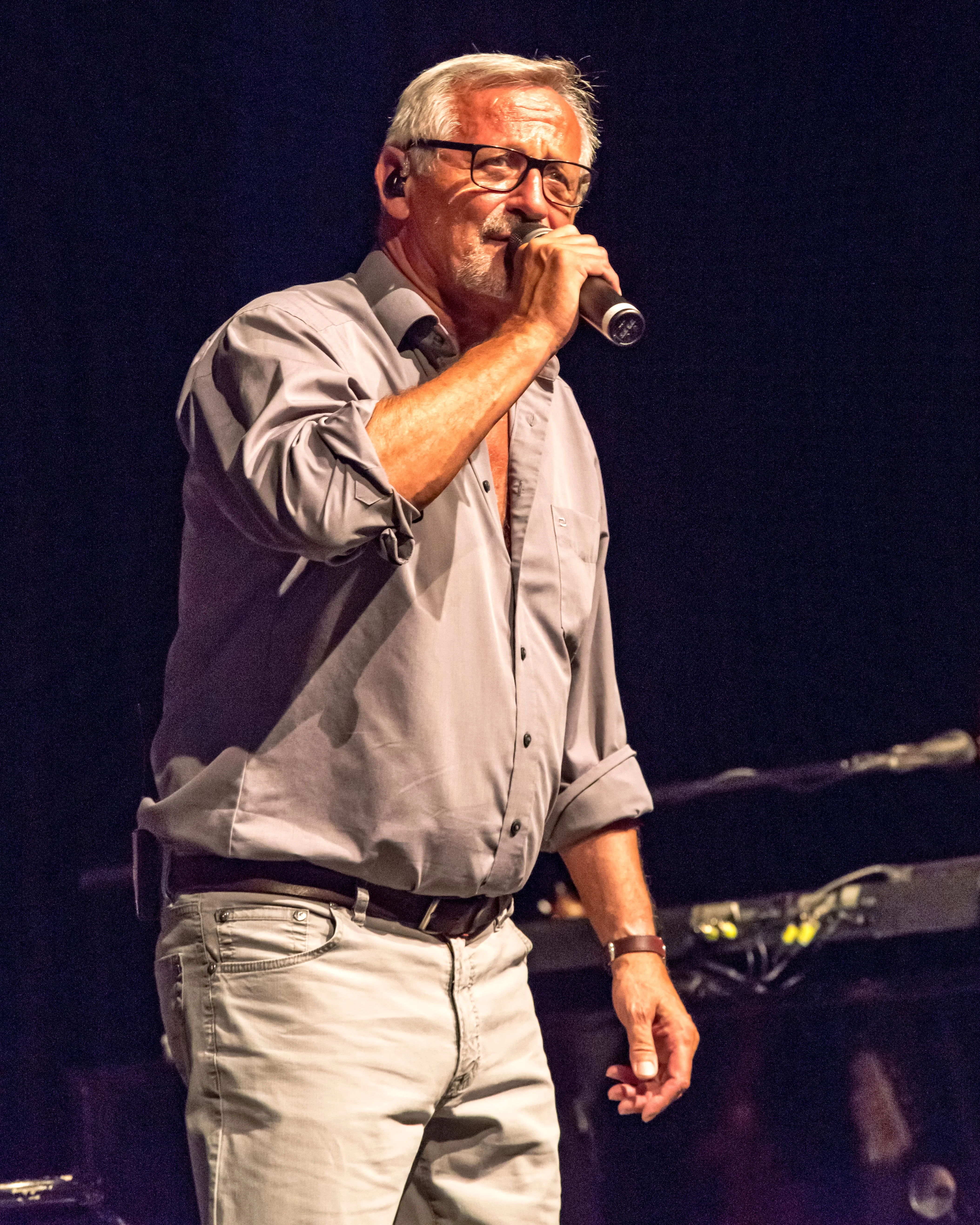
Image from Wikipedia
Image from Wikipedia
Konstantin Wecker – Poet of Resistance, Voice of Tenderness
A Life Between Piano, Protest, and Poetry
Konstantin Alexander Wecker, born on June 1, 1947, in Munich, has been shaping German-speaking song culture for five decades. His music career blends political song, poetry, and a distinctive stage presence. From his beginnings in the Munich cabaret scene to his breakthrough with the ballad "Willy," and up to his recent programs, books, and live albums, his artistic development shows a consistent quest for humanity, freedom, and a world without oppression. As a singer-songwriter, composer, actor, and author, he represents musical integrity that unites social responsibility and aesthetic sensitivity.
Biographical Roots and Early Years
Growing up in Munich-Lehel, Wecker received early classical training on the piano, later adding guitar and violin to his repertoire. His first performances took him to the legendary "Münchner Lach- und Schießgesellschaft," where he presented his own songs starting in 1973. His musical socialization was nourished by chanson, jazz, classical music, and the political songs of the singer-songwriter generation, which sharpened his sense for composition, arrangement, and word-music dramaturgy. This mixture laid the groundwork for his characteristic musical language: poetically condensed lyrics, dynamic harmonic progressions, recitative passages, and melodic arcs that simultaneously serve intimate ballads and fierce indictments.
Breakthrough and Signature Song "Willy"
In 1977, Wecker achieved his breakthrough with the album "Genug ist nicht genug," propelled by the anti-Nazi ballad "Willy," a piece of song history that resonated politically and culturally for decades. The narrative power, the dramatic buildup in the arrangement, and the unambiguous stance against right-wing extremism made the song an anthem for a vigilant civil society. For his artistic achievement, Wecker received the German Kleinkunstpreis in the chanson/music/song category the same year. Media and critics still point to the enduring relevance of the song and Wecker's role as an engaged chronicler of the political present.
Film Music, Stage, and Literary Work
Wecker's authorship encompasses novels, poetry collections, and essays, but a central area of his artistic production is composition for film and television. His title music – such as for Helmut Dietl's "Kir Royal" and the film production "Schtonk" – combines memorability with finely crafted orchestration. In musical theater, he made an impact with large-scale works and collaborations, including musical productions. This versatility showcases his understanding of sound dramaturgy: thematic development, motivic work, and the ability to "stage" scenes musically made him a constant figure in the German-speaking cultural sphere.
Musical Development and Sound Aesthetics
Wecker's discography reflects stylistic openness: jazz-inspired harmonies, chamber music intimacy, song-like melodies, and the energy of rock formations collide with poetic lyrics. For decades, he has focused on the transparency of sound colors in production, clear vocal lines from the piano (or piano-influenced arrangements), and a dramatic tension management between quiet, contemplative moments and explosive emphasis. This aesthetic sharpened in collaborations with top musicians and culminated in live programs that combine improvisational joy, political statements, and recitative storytelling.
Highlights of the Discography
Notable releases include the early albums of the 1970s, the breakthrough work "Genug ist nicht genug," and a series of later studio and live albums that recontextualize his repertoire. In the 2010s and 2020s, he returned with albums like "Utopia" (2021) and extensive live releases with renewed energy. The live album "Wir werden weiter träumen – Utopia 2.0" documents the poetic condensation of his late work and the power of ensemble sound in troubled times. In parallel, literary publications emerged that showcase his poetry and prose as equal pillars alongside his music.
Collaborations and Networks
Wecker's musical cosmos thrives on artistic alliances: from collaborations with jazz greats to joint tours with fellow singer-songwriters and orchestral projects, he explores the spectrum between intimate song form and symphonic texture. Ensembles from the classical and jazz realms expanded the sonic palette, while guest appearances by friendly artists enriched the dramatic depth of his concerts. Collaborations with conductors and ensembles created special concert moments where film music, song, and poetry merged into a musical autobiography.
Political Engagement, Ethos, and Stage
As a committed pacifist, Wecker connects art and stance. His stage presence lives from the interplay of tenderness and anger, from poetic self-affirmation and clear, often uncomfortably phrased social critique. He relies on language as musical material – alliteration, internal rhyme, and deliberately placed pauses – inter woven with forms from chanson to through-composed ballads. This creates music that not only entertains but also sparks debates, provides comfort, and inspires courage. This combination of experience, expertise, and authority makes him a voice of cultural conscience in the German-speaking world.
Current Projects, Releases, and Tour Activities
In recent years, Wecker has released several live productions around his "Utopia" theme. On November 18, 2024, "Wir werden weiter träumen – Utopia 2.0," a live recording that musically consolidates his utopian thinking, will be released. His program work in 2025 focused on personal reflection and new texts; in the fall of 2025, the book "Der Liebe zuliebe" will be published, accompanied by concert plans for 2025/2026. However, concerts in November 2025 had to be canceled due to health issues. The communication from his artist office and press indicated a willingness to set new dates while also realistically assessing his health situation. At the beginning of 2026, the release agenda also announced new musical activity with the single "Schlendern" (release on January 6, 2026), showing that his creative impulse remains unbroken.
Health Challenges and Artistic Resilience
In 2025, Wecker publicly reported on a neurological issue that primarily affects his left hand and significantly limits his piano playing. The consequences hit his core – the immediate act of making music at the piano – but did not lead to silence. Concert formats were adjusted, piano parts were shared in parts, and the focus shifted more strongly to voice, lyrics, and ensemble sound. This reveals his artistic growth: he remains present, openly negotiates vulnerability, and transforms limitations into a new form of stage poetry.
Stylistic Analysis: Text, Timbre, and Dramaturgy
Wecker's lyrics balance between lyrical intimacy and political edge. The timbre – warm, narrative, with conscious articulation – carries the semantics. Compositional wise, he relies on clear, often tonal progressions that foreground the text. In live situations, dramatic arcs unfold: a concert begins in a chamber music reduced manner, escalates through dialogical moderations to collective peaks with the band and guests, and leaves the audience with poetic aftereffects. This dramaturgy proves to be a hallmark of his concerts.
Cultural Influence and Reception
Critical reception honors Wecker as an artistic authority of political song. Press voices highlight the blend of literary ambition and musical diversity, referencing his film music milestones and his ability to translate grand themes – war and peace, social justice, empathy – into personal stories. His influence spans generations: younger songwriters and composers draw on motifs from his poetry, while audiences and media position Wecker as a moral authority in pop and song traditions.
Awards and Recognitions
The German Kleinkunstpreis (1977) early marked his reputation in the chanson/music/song category. In the following decades, more awards from literature, music, and cultural policy were added. His film music was also recognized, solidifying his profile as a boundary crosser between genres. These accolades reflect the breadth of his work: from intimate songs to orchestral soundscapes to essayistic prose.
Voices of the Fans
Fan reactions clearly show: Konstantin Wecker captivates people worldwide. On YouTube, listeners celebrate the poetic power of his live moments: “One of the best storytellers of our time – goosebumps with every chorus.” Just as frequently, gratitude for his clear stance is expressed: “Your songs give me the courage to remain kind in stormy times.” Such resonance confirms how much his art connects sound and conscience – far beyond the stage.
Discography – Milestones and Motifs
The discography spans from the early 1970s to the present. Central motifs run through the work: resistance against injustice, yearning for utopia, unconditional tenderness in dealing with people. Classics of the repertoire – alongside "Willy," for instance, "Genug ist nicht genug" – repeatedly appear in new live configurations and arrangements. Late live albums bundle this artistic history by illuminating familiar pieces alongside current songs and readings.
Why Wecker Remains Important Today
In a time of growing political polarization, Wecker asserts the power of the poetic argument. His songs function as spaces of memory and empathy, a counterpoint to cynicism and resignation. With experience from decades of music career, expertise in composition and arrangement, the authority of an award-winning artist, and reliable, transparent communication with his audience, he exemplifies the four pillars of EEAT.
Conclusion: Poetry and Resistance – An Invitation
Konstantin Wecker remains an indispensable artist in German-speaking music. He connects poetry with protest, romance with revolt, intimate songcraft with societal resonance. Those experiencing him live encounter the full spectrum – from quiet, chamber music moments to great collective emotions. It is worth following this artistic journey further: new songs, new readings, new concert narratives. For Wecker's music reminds us that humanity cannot become outdated – and that tenderness possesses a radical, political power.
Official Channels of Konstantin Wecker:
- Instagram: No official profile found
- Facebook: No official profile found
- YouTube: https://www.youtube.com/user/Weckerswelt
- Spotify: No official profile found
- TikTok: No official profile found
Sources:
- wecker.de – Official Website
- wecker.de – Biography
- wecker.de – Wecker's Work (Discography/Overview)
- wecker.de – Videos (YouTube Embedding)
- wecker.de – Dates/News (Concert Planning)
- wecker.de – We Will Continue to Dream – Utopia 2.0 (Release on 11.18.2024)
- Apple Music – Konstantin Wecker (including "Schlendern," 01.06.2026)
- WELT – Concert Cancellations and Health Situation (Nov. 2025)
- ntv – Cancellation of November Concerts 2025
- Deutsche Welle – "Willy": Cultural Contextualization
- SWR Kultur – Film Music and Work Overview
- Wikipedia: Image and Text Source
Upcoming Events
Konstantin Wecker – For the Love of Music (Trio)
An evening full of poetry and attitude in the Max-Littmann-Saal: Konstantin Wecker – For the Love of Music. 14.10.2026, 20:00, Tickets from 52 €. Great acoustics, great emotion. Secure your seats now! #BadKissingen
Pinocchio
Pinocchio enchants the Kurhaus Göggingen with music, poetry, and adventure for the whole family. Experience it live on 17.10.2026. #Theater