
Ebow (Rapperin)
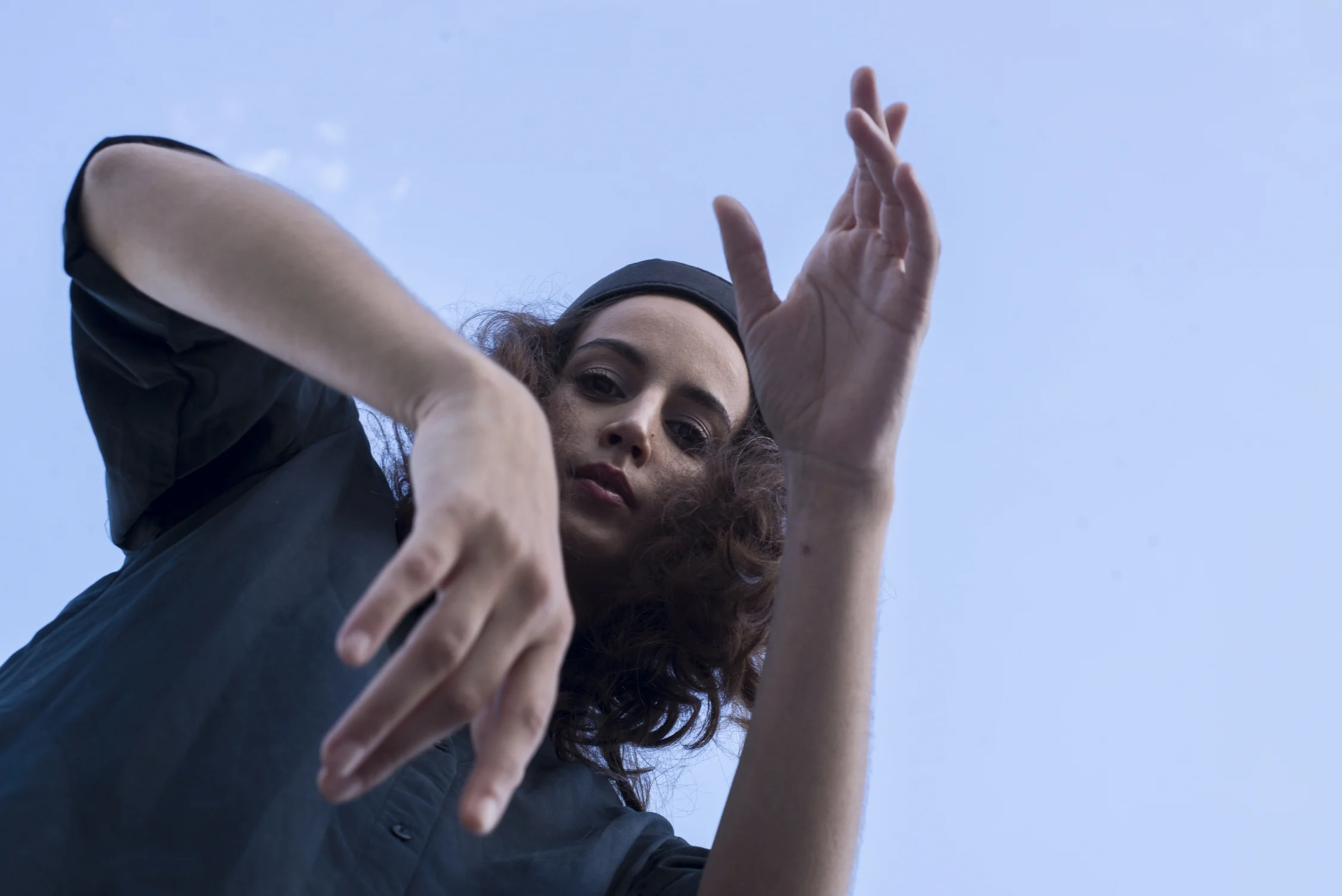
Image from Wikipedia
Image from Wikipedia
Ebow: The Poetic Voice of German Rap Bridging Queerness, Resistance, and Pop Authority
A rapper, artist, and actress from Munich shaping contemporary German culture
Ebow, born in 1990 in Munich as Ebru Düzgün, is one of the most distinctive voices in German-speaking rap. Her artistic journey combines biography, political stance, and pop aesthetics into a recognizable signature that transcends traditional genre boundaries. In her music career, street rap meets melody, social observation meets empowerment, and intimate self-assertion meets societal friction. ([de.wikipedia.org](https://de.wikipedia.org/wiki/Ebow_%28Rapperin%29))
From Munich Guerrilla Performances to Established Stage Artist
Ebow first gained attention with guerrilla performances in Munich laundromats, supermarkets, the train station district, and at demonstrations. These early appearances immediately made it clear how she understands music as intervention: not as mere entertainment, but as a direct address to an urban, diverse public. Later, she transitioned to more conventional stages and festival formats without losing her political urgency or confrontational energy. ([de.wikipedia.org](https://de.wikipedia.org/wiki/Ebow_%28Rapperin%29))
Even in this early phase, Ebow connected rap with a clear stance on gender, origin, and belonging. The press described her presence as provocative and political, while she shaped a mix of resistance, poetry, and direct statements in her work. Her living arrangements between Berlin and Vienna underscore the transcultural nature of her artistic development. ([musicboard-berlin.de](https://www.musicboard-berlin.de/en/ebow/))
Debut, Empowerment, and the Search for a Unique Sound
Her debut album Ebow was released on November 22, 2013, by Disko B, marking the beginning of an independent discography. The self-produced video mixtape Habibi’s Liebe und Kriege from 2012 already showcased her desire to transcend boundaries: oriental-influenced sounds, electronic elements, and sharply pointed lyrics merged into an alternative hip-hop approach. Early on, Ebow positioned herself between scene aesthetics and social analysis. ([de.wikipedia.org](https://de.wikipedia.org/wiki/Ebow_%28Rapperin%29))
This early phase is also significant because it anticipates her later artistic development. Ebow wrote not only from a rap perspective but from a cultural position that integrates composition, identity, and political language. Therefore, her work never feels arbitrary, but rather like a consistently elaborated musical stance. ([de.wikipedia.org](https://de.wikipedia.org/wiki/Ebow_%28Rapperin%29))
Gaddafi Gals: Collective Spirit, Experiment, and Radical Community
In 2016, Ebow, along with musician and producer Nalan and Walter p99 arke$tra, founded the trio Gaddafi Gals. In this context, she initially also used the name Blaqtea. The project broadened her artistic horizons through collective production methods and sharpened her awareness of queer, feminist, and futuristic expressions in rap. ([de.wikipedia.org](https://de.wikipedia.org/wiki/Ebow_%28Rapperin%29))
Especially in such formations, Ebow's authority in German-speaking hip hop becomes evident: she conceives rap not only as a solo discipline but as a social practice. The exchange with other artists and producers intensifies her music into a dialogue about emancipation, aesthetics, and urban reality. The result is a sound that remains accessible, edgy, and political. ([de.wikipedia.org](https://de.wikipedia.org/wiki/Ebow_%28Rapperin%29))
The Albums: From “Komplexität” to “FC Chaya”
After her debut, the albums Komplexität (2017), K4L, Canê (March 18, 2022), and FC Chaya (September 27, 2024) followed. The releases sketch a clear arc: from the search for a language of form to a mature, self-confident pop-rap identity. Canê was particularly described as an album that combines 90s-inspired rap with minimalist arrangement and precise lyrical statements. ([de.wikipedia.org](https://de.wikipedia.org/wiki/Ebow_%28Rapperin%29))
With FC Chaya, Ebow further emphasized her community notion. The album was interpreted as a love letter to queer realities, to Chayas, and to a resistant, self-determined scene. Critics emphasized that on this work, Ebow connects queer anthems with head-nodding beats, R’n’B moments, and an anti-fascist stance. ([kulturnews.de](https://kulturnews.de/ebow-fc-chaya-neues-album-review-kritik/))
The expanded version of FC Chaya also played a role in 2025: it brought four new songs and a glitter edition on vinyl. OFFKEY described the release as a continuation of a clear political and queer narrative in which songs about relationships, racism, societal structures, and solidarity merge. ([nbhap.com](https://nbhap.com/berlin/ebow-re-release-fc-chaya))
Current Projects: “Arbayt” and the 2026 Tour
In 2026, Ebow announced an Arbayt Tour that points to a new album in the fall of 2026. According to Ticketmaster and other event announcements, “Arbayt” is also the title of the first single from the yet-to-be-released album. The tour represents the next developmental step in a career that consistently renews itself through musical and thematic realignments. ([blog.ticketmaster.de](https://blog.ticketmaster.de/musik/ebow-tour-2026-neues-album-deutschland-konzerte-18605/?utm_source=openai))
The descriptions of the new phase once again highlight the personal and political dimensions of her work. The focus is on family, friendships, lesbian identity, hope, and pain. Ebow thus continues her recent line: very personal songs that also speak the language of a larger community. ([blog.ticketmaster.de](https://blog.ticketmaster.de/musik/ebow-tour-2026-neues-album-deutschland-konzerte-18605/?utm_source=openai))
Style, Production, and Thematic Range
Musically, Ebow works with reduced, often 90s-inspired rap, melodic hooks, and clear, uncluttered productions. Musikexpress described Canê as tight and never overproduced; other sources highlight that her songs translate identity, sexuality, feminism, and self-determination into an accessible pop form. Her style thrives on contrasts: street and softie, poetic and uncompromising, club-ready and reflective. ([forum.musikexpress.de](https://forum.musikexpress.de/reviews/ebow-cane/))
Thematically, her lyrics revolve around queerness, racism, anti-fascism, origin, desire, and community. This is particularly evident in songs and albums that not only tell personal stories but also name political realities. Ebow formulates rap as a language of self-empowerment and as an aesthetic form of solidarity. ([nbhap.com](https://nbhap.com/berlin/ebow-re-release-fc-chaya))
Cultural Influence and Reception in Music Press
In the German music scene, Ebow has established herself as an important queer and Kurdish-influenced voice. Musicboard Berlin describes her as an artist who raps against sexism, racism, and homophobia and stands for an open, supportive society. Criticism and commentary acknowledge not only her stance but also the way she translates ambivalences in pop music. ([musicboard-berlin.de](https://www.musicboard-berlin.de/en/ebow/))
The reception of her works shows a rare connection between scene recognition and cultural relevance. Canê was discussed as album of the week, while FC Chaya was labeled as a bold queer love declaration and a statement against social exclusion. The fact that Ebow is perceived both as a political rapper, artist, and actress strengthens her presence beyond the music scene. ([forum.musikexpress.de](https://forum.musikexpress.de/reviews/ebow-cane/))
Discography at a Glance
Key milestones in her discography include the debut Ebow (2013), Komplexität (2017), K4L, Canê (2022), and FC Chaya (2024). Additionally, there is the video mixtape Habibi’s Liebe und Kriege and collaborations such as the guest appearance on the Die-Ärzte album Dunkel with the song “Kerngeschäft.” This selection shows the breadth of Ebow's artistic spectrum. ([de.wikipedia.org](https://de.wikipedia.org/wiki/Ebow_%28Rapperin%29))
Her discography is not merely a list of releases but an ongoing narrative about self-definition, musical maturation, and political positioning. Each new tone expands her artistic identity without losing the core idea: rap as a medium for stance, desire, and resistance. ([de.wikipedia.org](https://de.wikipedia.org/wiki/Ebow_%28Rapperin%29))
Voices of the Fans
Public reactions to Ebow consistently revolve around her authenticity, her queer perspective, and her direct language. On Instagram and in accompanying cultural formats, her music is described as empowering, honest, and liberating; particularly, the combination of political clarity and emotional accessibility generates strong resonance. Fans especially praise that Ebow does not appear distant but instead keeps her community in mind. ([karlstorbahnhof.de](https://www.karlstorbahnhof.de/programm/veranstaltung/empowerment-talk-mit-ebow-leyla-jagiella/?utm_source=openai))
Conclusion: Why Ebow Remains Exciting
Ebow is an artist who perceives rap as a cultural intervention. Her music unites biographical depth, political sharpness, and stylistic independence into a voice that remains instantly recognizable in the German pop and hip-hop landscape. This very blend of intimacy, a sense of community, and clear contradiction makes her music career so captivating. Those who experience Ebow live receive not only songs but also stance, energy, and contemporary culture in its purest form. ([musicboard-berlin.de](https://www.musicboard-berlin.de/en/ebow/))
Ebow's Official Channels:
- Instagram: https://www.instagram.com/ebow.mp3/
- Facebook: no official profile found
- YouTube: https://www.youtube.com/@Ebow-official
- Spotify: https://open.spotify.com/artist/0A6JvVRIH3NZRto4r1OUrA
- TikTok: https://www.tiktok.com/@ebow.mp3
Sources:
- Wikipedia – Ebow (Rapperin)
- Musicboard Berlin – Ebow
- Munzinger Biography – Ebow
- Musikexpress – Review: Ebow – Canê
- kulturnews – “FC Chaya”: The Club with the Rainbow Armband
- OFFKEY – Ebow “FC Chaya”: Heartbreak and Anti-Fascism
- Ticketmaster Blog – Ebow Goes on “Arbayt Tour” in Fall 2026 with New Album
- Ebow – Official Website
- Instagram – @ebow.mp3
- YouTube – Ebow Official
- Spotify – Ebow
- TikTok – @ebow.mp3
Upcoming Events
Ebow - We are the Cityscape
Part of the program "We are the Cityscape" at the Schauspielhaus Bochum: Concert, Talk, Comedy, and shared experiences await visitors.
Ebow
Bochum experiences Ebow live at Schauspielhaus: rap with attitude, strong presence, and intense live atmosphere. 26.06.2026, 20:30. #Bochum #Ebow