Urban Transformation in Passau: City Center, Housing & Neighborhoods
Urban Transformation in Passau: New Neighborhoods and Projects by 2030
Passau is looking ahead: By 2030, the city center, neighborhoods, and mobility are to be noticeably further developed – with more quality of stay, climate-adapted open spaces, and a housing supply that is integrated into the existing city.
Guiding Vision for 2030: Inner Development, Climate Resilience, Short Distances
The coming years will be marked by a compact, climate-adapted city. Passau is focusing on inner development before outward expansion, strengthening public spaces, and linking living, working, and mobility so that distances are shorter and public spaces are of higher quality.
- City center as a vibrant hub with more space for staying, culture, and local amenities
- Densification within existing areas instead of new peripheral locations
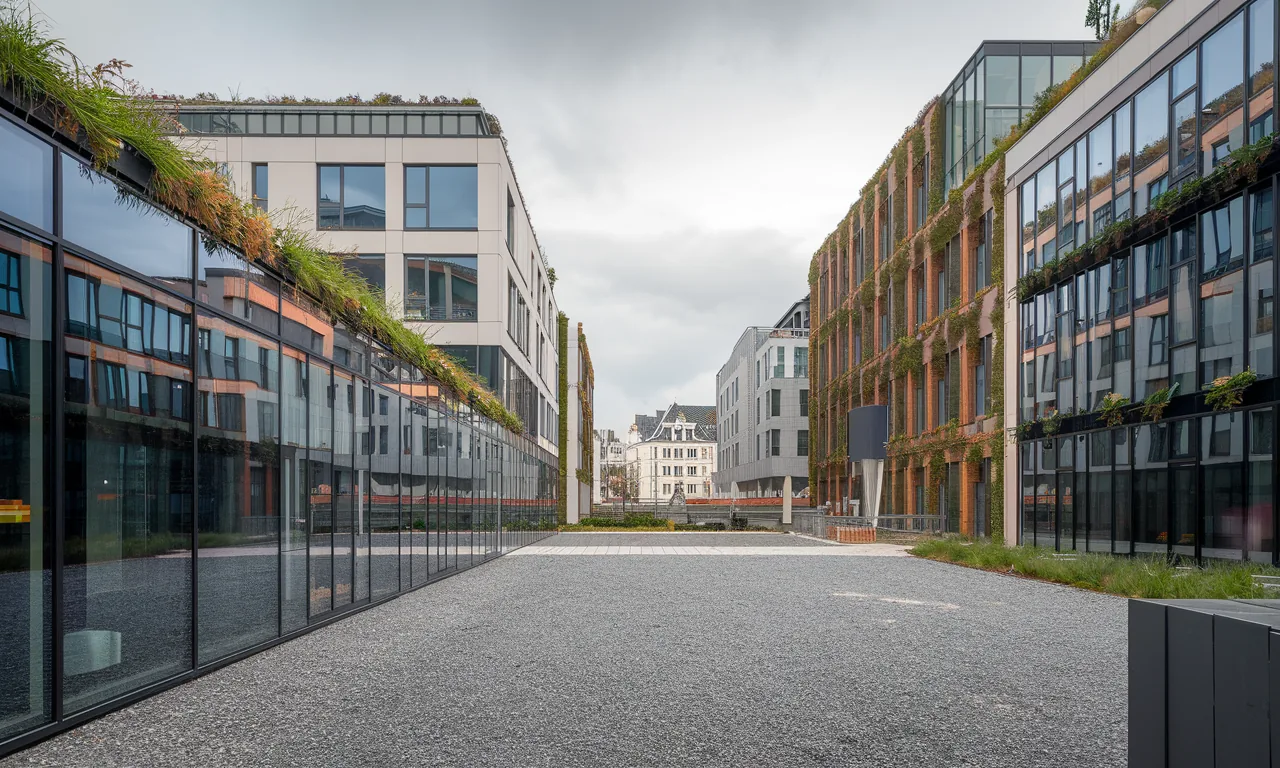
- Climate-resilient open spaces following the sponge city principle
- Mobility transition with safe cycling connections and better public transport links
City Center in Implementation: Public Space, Waterfronts, and Orientation
The city center is to be strengthened as an everyday and meeting space. Step-by-step measures are planned to improve access to the Danube and Inn, upgrade squares, and make central route axes clearer.
- Upgrading of riverside paths along the Danube and Inn with better accessibility and more quality of stay
- Green and lighting concept for good orientation and a safe, attractive appearance even in the evening
- Barrier-free connections between the old town, new center, and station area
- More city trees, unsealing, and shady seating areas for heat protection
The measures are planned and implemented in sections; participation formats inform before decisions and during execution.
Housing: Densification with Care
To create additional living space, Passau is focusing on closing gaps, adding stories, and activating underused plots. The focus is on high-quality integration into established neighborhoods.
- Site-specific development plans ensure building culture, green spaces, and neighborhood compatibility
- Social infrastructure (daycare centers, schools, open spaces) is included in planning
- Mixes of subsidized, price-controlled, and privately financed housing are sought
- Mobility concepts (bicycle parking, car sharing, public transport connections) reduce parking pressure
Applications for small and medium-sized housing projects are managed through the land-use and building permit process; accompanying dialogues are intended to ensure acceptance and quality.
New Neighborhoods and Conversion Areas: Examining Perspectives
In the long term, centrally located development and conversion areas are being examined for their suitability for mixed neighborhoods. The goal is lively districts combining living, working, education, culture, and local amenities.
- Urban planning studies and competitions clarify density, mix of uses, and open space concepts
- Sponge city elements: green roofs, infiltration areas, open water management
- Energy and climate: photovoltaics, efficiency standards, summer heat protection
- Social mix: different housing types, ground floor uses, and neighborhood meeting points
Before implementation, traffic, ecological, and economic feasibility as well as monument and flood protection concerns are comprehensively weighed.
Mobility: Safe Cycling Network and Smart Connections
Mobility for short distances is being expanded. Planned are safe, continuous connections for cycling and walking as well as good transfers to public transport.
- Closing gaps in the cycling network, safe intersections, and comfortable parking facilities
- Mobility stations with bike sharing, car sharing, and public transport information
- Digital services for route and occupancy information
- Stationary traffic: intelligent parking management in favor of public space
Measures are based on national standards and are implemented step by step.
Planning Procedures and Participation: How You Can Have Your Say
All essential steps in land-use planning and individual projects go through regulated procedures with public participation. Announcements, documents, and deadlines are provided digitally.
- Early information: planning objectives, scope of studies, participation formats
- Draft phase: public display with opportunity for comments
- Weighing and decision: transparent documentation of decisions
- Implementation: construction phase information and contact points for concerns
Timely feedback allows suggestions on traffic, green spaces, mix of uses, and design to be incorporated into planning.
Timeline Orientation 2026–2030
Progress takes place in stages. Annual budget and funding decisions prioritize measures according to impact, approval readiness, and eligibility for funding. Initial priorities are on upgrading the city center, high-quality densification, and completing important cycling and walking connections.
Opportunities and What Passau Keeps in Mind
- Quality of life: more shade, greenery, seating, and safe routes
- Affordability: balance between quality, climate protection, and costs
- Identity: sensitive handling of building culture and sightlines
- Acceptance: transparent communication and participation at eye level
Sources and Further Information
- City of Passau – Official City Portal — central information on planning, building, and participation (accessed 2026-01-07)
- Free State of Bavaria – Urban Development Funding — programs to strengthen city centers and neighborhoods (accessed 2026-01-07)
- Federal Environment Agency – Sponge City Concept — basics of climate-resilient urban development (accessed 2026-01-07)
- German Institute of Urban Affairs (Difu) – Sponge City — practical examples and guidelines (accessed 2026-01-07)
- BMDV – National Cycling Plan 3.0 — goals and measures for cycling until 2030 (accessed 2026-01-07)